


Si vous avez déjà jeté un coup d’œil à l’intérieur d’un sac Louis Vuitton vintage et remarqué une petite combinaison de lettres et de chiffres discrètement estampillée dans la doublure, vous avez découvert son code de date. Introduits au début des années 1980, ces codes sont demeurés la norme de l’industrie pendant plusieurs décennies, jusqu’à ce que Louis Vuitton les abandonne progressivement en 2021 au profit de la technologie des micropuces intégrées. Une idée reçue fréquente dans le monde de la revente est que ces estampilles agissent comme des numéros de série uniques ou comme une preuve définitive d’authenticité. En réalité, plusieurs articles fabriqués dans la même usine au cours de la même semaine peuvent partager exactement le même code. Un code de date raconte donc simplement une histoire : il permet de retracer le lieu et la période de fabrication d’un article, mais ne confirme pas à lui seul son authenticité. Pour les collectionneurs, les acheteurs et les amateurs de vintage, apprendre à déchiffrer ces marquages discrets est le meilleur moyen de retracer l’histoire d’un sac et d’identifier précisément son époque de production. Chez Carte Blanche, nous sommes passionnés par les détails qui rendent l’histoire de la mode si fascinante. Dans ce guide complet, nous expliquons tout ce qu’il faut savoir sur les codes de date Louis Vuitton, notamment leur évolution au fil des décennies, les endroits parfois cachés où les trouver et la manière de les interpréter comme un véritable expert.
L’évolution des codes de date Louis Vuitton à travers les décennies
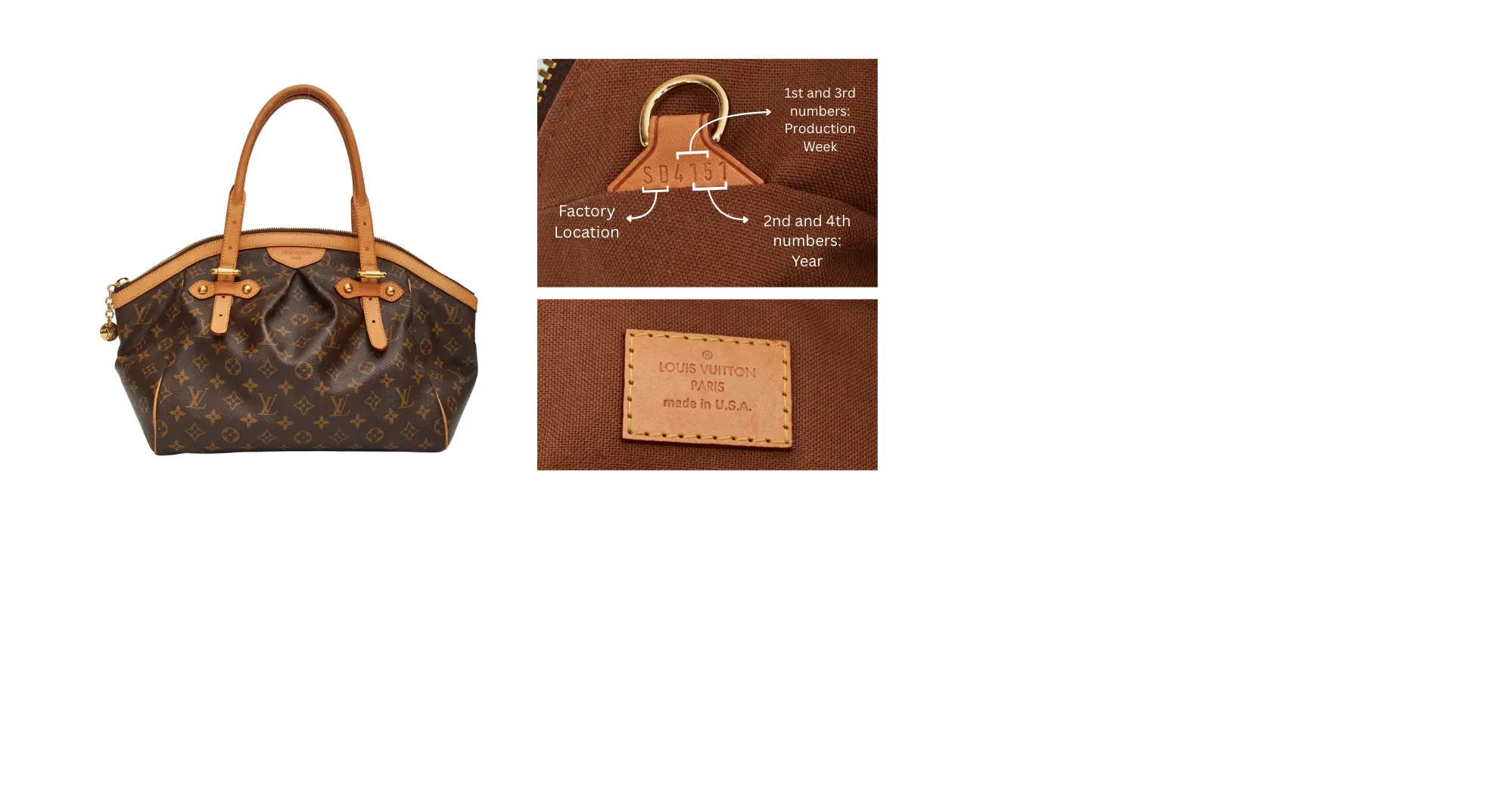
La plupart des pièces Louis Vuitton fabriquées avant le début des années 1980 ne comportent aucun code de date. L’authentification des modèles vintage repose alors principalement sur l’analyse des matériaux, de la quincaillerie, des coutures et de la construction générale. Début des années 1980 : les codes numériques Les premiers codes de date étaient composés de trois ou quatre chiffres. Les deux premiers chiffres représentent l’année de fabrication, tandis que le dernier chiffre représente le mois. Exemple : 815 • 81 = Année (1981) • 5 = Mois (mai) Résultat : le sac a été fabriqué en mai 1981. Milieu et fin des années 1980 : chiffres et lettres d’usine Louis Vuitton a ensuite ajouté des lettres correspondant au lieu de fabrication, permettant d’identifier à la fois la date de production et le pays d’origine. Exemple : 874TH • 87 = Année (1987) • 4 = Mois (avril) • TH = Usine de fabrication (France) Résultat : fabriqué en France en avril 1987. 1990 à 2006 : format mois et année Durant cette période, Louis Vuitton adopte un format composé de deux lettres suivies de quatre chiffres. Les premier et troisième chiffres représentent le mois, tandis que les deuxième et quatrième chiffres représentent l’année. Exemple : SP0928 • SP = Usine de fabrication (France) • Premier et troisième chiffres (0 et 2) = Mois (février) • Deuxième et quatrième chiffres (9 et 8) = Année (1998) Résultat : fabriqué en France en février 1998. 2007 à 2021 : format semaine et année En 2007, Louis Vuitton modifie l’interprétation des chiffres. Les premier et troisième chiffres représentent désormais la semaine de production, tandis que les deuxième et quatrième chiffres représentent l’année. Exemple : DU2154 • DU = Usine de fabrication (France) • Premier et troisième chiffres (2 et 5) = Semaine 25 • Deuxième et quatrième chiffres (1 et 4) = Année 2014 Résultat : fabriqué en France durant la 25e semaine de 2014. 2019 à début 2021 : période de transition Durant cette période, Louis Vuitton a commencé à abandonner progressivement les codes de date. Certains sacs produits pendant cette phase de transition peuvent ainsi comporter à la fois un code de date et une micropuce intégrée. Mars 2021 à aujourd’hui : l’ère des micropuces Tous les sacs fabriqués après le 1er mars 2021 sont équipés d’une micropuce contenant des informations relatives à leur fabrication. Ces puces contribuent également à la lutte contre la contrefaçon et facilitent certaines réparations. Elles ne sont toutefois pas destinées à l’authentification par les consommateurs et nécessitent généralement les systèmes internes de Louis Vuitton pour accéder aux informations détaillées.
Où repérer les codes de date Louis Vuitton
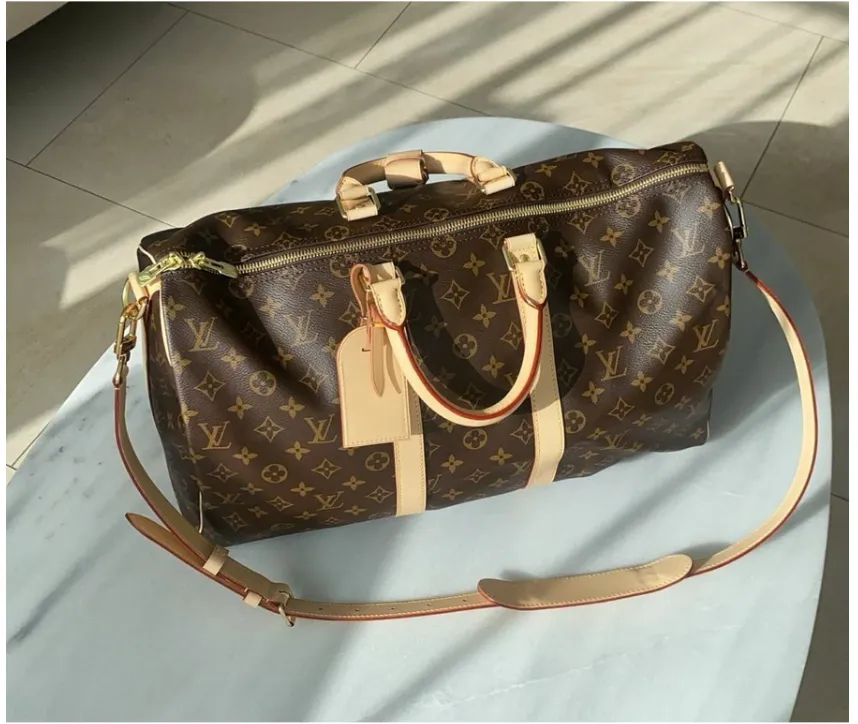
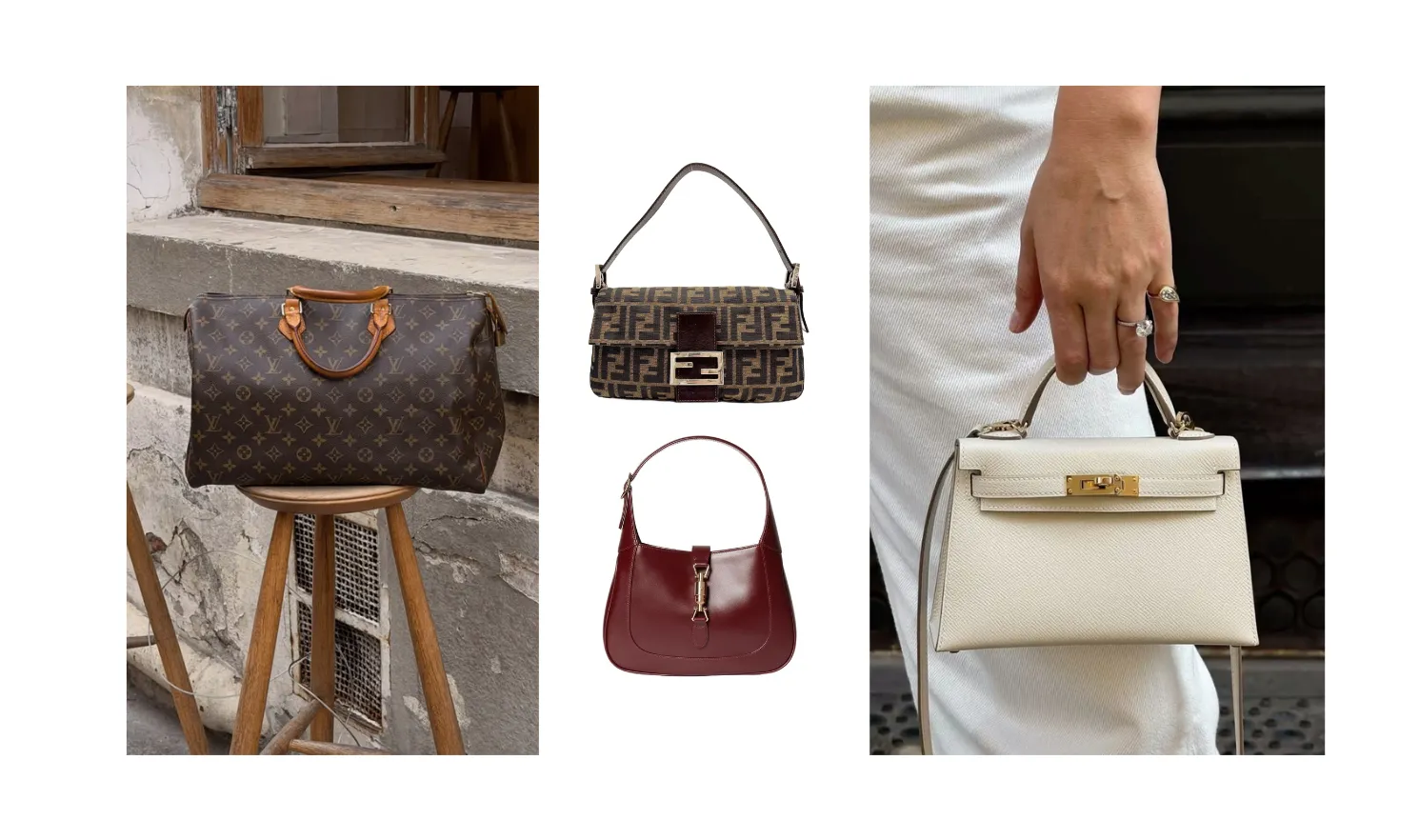
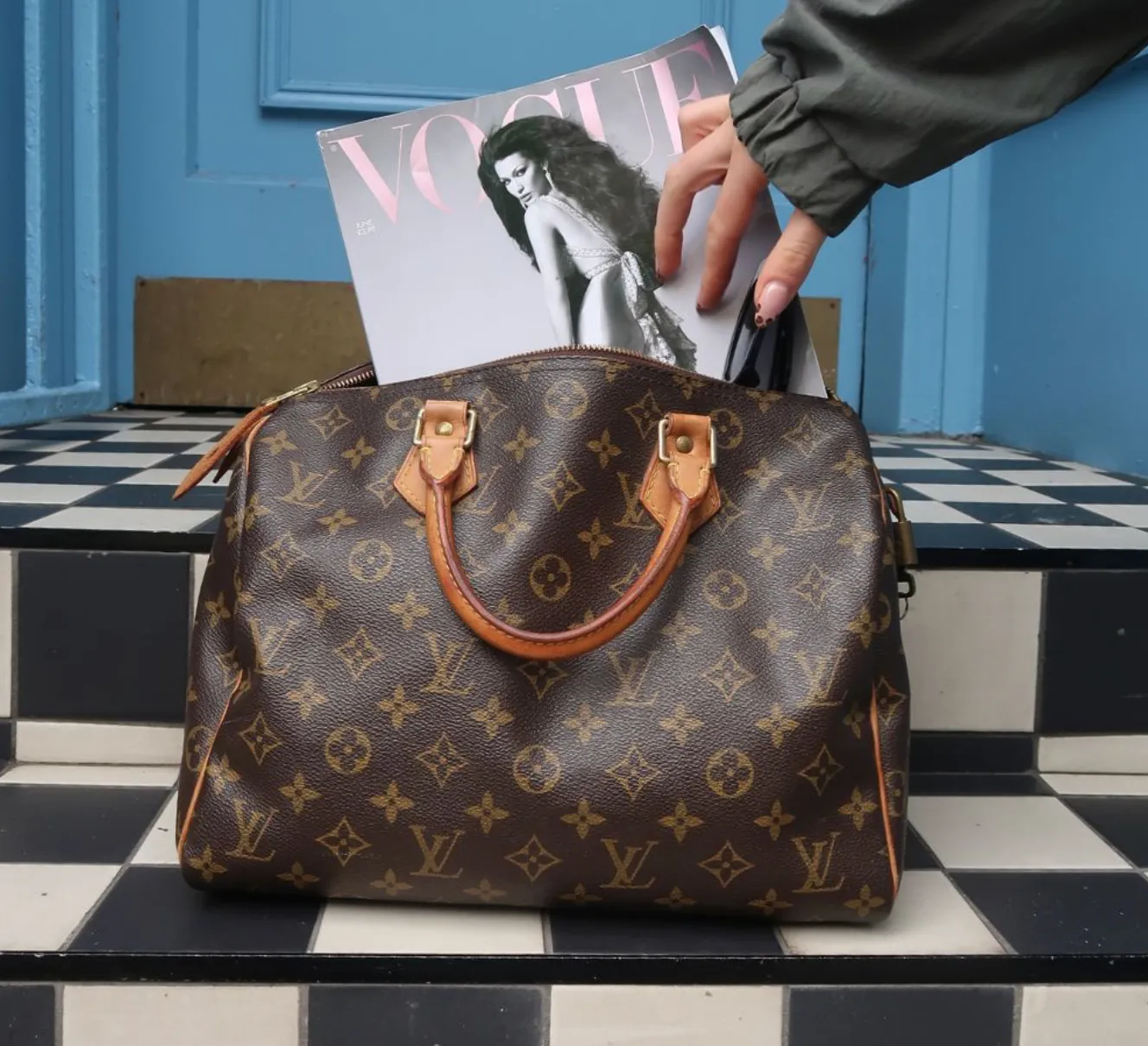
Trouver le code de date sur un sac Louis Vuitton d’occasion peut parfois ressembler à une véritable chasse au trésor. Ces marquages sont volontairement discrets afin de préserver l’esthétique intérieure du sac. Voici où chercher sur cinq des modèles les plus emblématiques de la maison: Speedy • À l’intérieur du sac, soulevez complètement la poche suspendue en tissu. • Le code est généralement estampillé sous l’une des petites languettes triangulaires en cuir fixées sous la couture de la poche. Neverfull • Ouvrez le compartiment principal et repérez la poche intérieure zippée. • Regardez le long du bord supérieur droit, juste sous le rabat de cette poche. Le code est habituellement estampillé sur une petite pièce de cuir cousue dans la couture. Alma • Le code se trouve généralement sur une petite languette de cuir cousue le long d’une couture intérieure. • Vérifiez les coins intérieurs de la poche plaquée. Le marquage peut être estampillé verticalement ou horizontalement sur une petite languette de cuir. Keepall • Regardez à l’intérieur du sac, particulièrement le long des coutures latérales près de l’ouverture supérieure. • Vérifiez les languettes de cuir cousues dans la doublure. Si votre Keepall vintage possède une poche suspendue intérieure, soulevez-la complètement afin d’inspecter la languette de cuir cachée derrière. Pochette Métis • Retournez le sac et localisez la poche zippée située à l’arrière. • Ouvrez complètement cette poche et examinez la couture intérieure du côté droit. Le code est généralement estampillé sur une petite languette de cuir cousue dans la doublure. Petit conseil : le matériau de la languette portant le code de date correspond toujours aux finitions du sac. Par exemple, une pièce en toile Monogram classique comportera une languette en cuir Vachetta, tandis qu’un modèle Damier Ebene présentera généralement une languette en cuir enduit brun. Codes d’usine courants par pays: • France : A0, AR, BA, BU, CO, DU, FL, LA, LM, SA, SD (avant 1995), SN, TH, VI • Italie : BC, BO, FH, FO, FP, MA, NZ, OB, PL, RC • Espagne : BC, CA, LO, LB, LM, LW, GI, UB • Suisse : DI, FA • États-Unis : FC, FH, FL, LA, OS, SD (après 1995), TX Certains codes d’usine ont été utilisés dans plusieurs pays. Par exemple, le préfixe « BC » peut correspondre à une fabrication en Espagne ou en Italie. Pour déterminer le pays exact, il convient de comparer ce code avec le marquage « Made In » présent sur le sac. Cependant, il est important de rappeler qu’un code de date parfaitement formaté et situé au bon endroit ne garantit pas automatiquement l’authenticité d’un article. Les contrefacteurs sont capables de reproduire des codes valides. Par exemple, si un code indique une date de fabrication en 2015 sur un modèle discontinué de plusieurs années auparavant, cela doit être considéré comme un signal d’alerte. Signaux d’alerte à surveiller Lors de l’examen d’un sac Louis Vuitton, soyez attentif aux éléments suivants : • Un format de code de date incompatible avec la période de production annoncée • Une date de fabrication qui ne correspond pas au modèle du sac • Des codes d’usine incompatibles avec les lieux de production connus • Des marquages mal estampillés ou incorrectement formatés • Des codes de date placés à des endroits inhabituels Bien que ces incohérences ne signifient pas automatiquement qu’un article est contrefait, elles justifient une inspection plus approfondie.
Ce qu’il faut retenir
Les codes de date Louis Vuitton offrent un aperçu précieux de l’histoire de fabrication d’un sac. Que vous envisagiez l’achat d’un Speedy vintage, la revente d’un Neverfull ou que vous soyez simplement curieux d’en apprendre davantage sur votre collection, savoir interpréter ces codes vous permettra de mieux comprendre votre pièce Louis Vuitton. Toutefois, il est essentiel de se rappeler qu’un code de date ne constitue pas une preuve d’authenticité. Une évaluation complète de l’article demeure nécessaire et, en cas de doute, il est toujours recommandé de faire appel à un service d’authentification professionnel.
Avis de non-responsabilité : Louis Vuitton étant une marque en constante évolution, les informations présentées dans cet article ne sont ni définitives ni absolues et peuvent être modifiées à tout moment. Ce guide est fourni à titre informatif et de divertissement uniquement. Comme indiqué sur notre site web, Carte Blanche n’est ni affiliée ni associée à Louis Vuitton.